Our Story

One Jar, Three MillenniaA JAR ACROSS THREE MILLENNIA

DeZiJiao® invents no history. It claims its own — and every claim will bear scrutiny.

ONE LINEAGE
THE HOUSE · 家传

Three millennia, one lineage

One jar, three generations

窖
Founding & Lineage

Four Hands, One Rule Kept

FOUR HANDS ONE RULE

DeZiJiao® is not the work of one maker. It is what four generations of hands produced by keeping one rule unbroken — the rule does not change, and so the work does not stop.

01

The First Generation · Setting the Rule

The Duke of Zhou wrote the Jiugao (Announcement on Drunkenness) — "Drink only in sacrifice; let virtue keep you from drunkenness." The brewers who carried that lineage came to be called De Zi, and kept three rules from then on: the grain must be true, the work diligent, the cellar patiently waited upon. Set the rule first, and only then can the wine be spoken of.

02

The Second Generation · Setting the Clay Jar

Among the Six Essentials of the Monthly Ordinances (Liji), "the clay vessels must be fine" is the one absolute rule: the wall of the jar must keep its pores, so that the wine can breathe inside it. Those who keep the jars go to bed before those who keep the wine.

03

The Third Generation · Setting the Cellar

Between the Ming and the Qing, distilleries stood in rows along the Chishui River; salt boats carried wine, and the port rose on it. Cellar-ageing in clay jars became a lineage of its own — one code to each jar, each in its place. The wine sleeps in its jar, and the cellar keeps its years for it.

04

The Fourth Generation · Setting the Trading Port

Hong Kong opened as a port in 1841, and the free-port system took shape. The rule today is unchanged: the wine is brewed only at its origin at home, the port is kept in Hong Kong, and it reaches Hong Kong and Macau, Southeast Asia, the Middle East and Europe and the Americas. Production and trade each keep their place — this is the measure of an old name going overseas.

Prologue

De Zi, Keeper of the Craft

THE KEEPER

In the eleventh century BC, the Duke of Zhou set down the Jiugao (Announcement on Drunkenness) in the Book of Documents (Shangshu), and gave Chinese wine its first lesson: "Drink only in sacrifice; let virtue keep you from drunkenness." For three thousand years since, wine in China has never been merely a drink — it has been a study in measure.

The brewer who carries this lineage is honoured with a title of his own: De Zi, the hereditary title of the brewing steward. De Zi keeps three rules: the grain must be true, the work diligent, the cellar patiently waited upon. He will not sell wine that has not finished its sleep. Where others hurry theirs out of the cellar, he stands beside his clay jars and waits — "No hurry. The wine is still sleeping."

From the salt-trade port on the Chishui River to the trading port of Hong Kong today, what DeZiJiao has changed is the dock; what it has never changed are the rules.

A Chinese wine that can afford to wait
it waits only for those who understand it

— DeZiJiao · De Zi, Keeper of the Craft
THE CELLAR

The wine sleeps in its jar; the cellar keeps its years

THE CELLAR KEEPS TIME FOR THE WINE

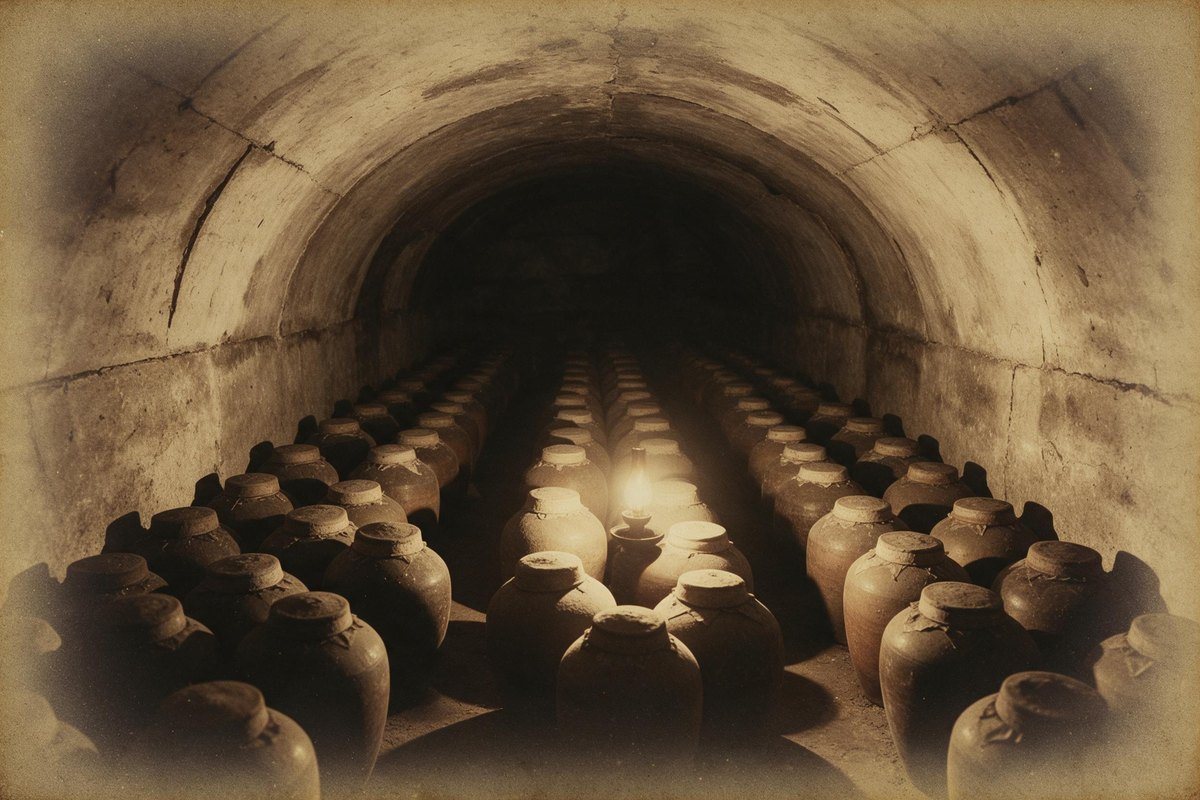
Hundreds of clay jars in formation — one code each, each in its place

Three Lineages

Where History Becomes Backbone

THREE LEGACIES
德01 · VIRTUE
WINE VIRTUE

The first lesson of Chinese wine was never how to brew it, but how to drink it

The Jiugao (Announcement on Drunkenness) in the Book of Documents (Shangshu) — "Drink only in sacrifice; let virtue keep you from drunkenness." The rule the Duke of Zhou laid upon Chinese wine: let virtue hold the reins, and never fall into excess. Confucius would later say, "In wine there is no fixed measure — only never cross into disorder"; the Zuo Commentary, that "wine is made to complete the rites." The character for virtue and the word for wine were bound together for three thousand years.

工02 · CRAFT
ANCIENT CRAFT

Of the Six Essentials, "the clay vessels must be fine" is DeZiJiao's answer today

The Yueling (Monthly Ordinances) in the Book of Rites (Liji) records the Six Essentials of brewing: the grain must be complete; the ferment must be in season; the steeping and firing must be clean; the water must be sweet; the clay vessels must be fine; the fire must be mastered. Distilled liquor first appeared in the Yuan Dynasty, as the Bencao Gangmu (Compendium of Materia Medica) records; by the Ming & Qing, distilleries stood in rows along the Chishui River, and cellar-ageing in clay jars had become the rule. DeZiJiao's ceramic jar is this lineage, carried into the present.

埠03 · PORT
TRADING PORT

What changed is the dock; what did not is the rule

A poet of the Qing Dynasty sang of the wine town on the Chishui River: "Wine crowns the land of Qian; salt climbs the Chihui River." The salt boats carried wine, and the port rose on it. From the salt-trade port to the trading port of Hong Kong today, DeZiJiao has carried the same wish — to set Chinese wine upon tables ever farther from home — and the thread has never once broken.

Chronicle

Three Thousand Years in the Making

TIMELINE
Zhouc. 11TH C. BCE

Wine Virtue Is Established

The Duke of Zhou set down the Jiugao — "let virtue keep you from drunkenness." Here lies the source of China's culture of wine virtue; from this moment on, de — virtue — and wine were bound together.

Spring & AutumnSIX ESSENTIALS

The Six Essentials Become Rule

The Yueling (Monthly Ordinances) in the Book of Rites (Liji) records the Six Essentials of brewing — the earliest state-level code for the ancient craft. "The clay vessels must be fine" holds to this day.

Late HanLATE HAN

Heroes Over Warm Plum Wine

Heroes were weighed over wine warmed with green plums — and the fragrance of fruit took its seat at the table of the bold.

TangTANG

A Rider Through the Red Dust

"A single rider through the red dust, and the consort smiles" — the lychee became the sweetest legend of the South.

YuanYUAN

Distillation Is Born

As the Bencao Gangmu (Compendium of Materia Medica) records: "Distilled wine is no ancient method — its craft was first created in the Yuan era." From then on, the art of distillation passed from generation to generation.

Ming & QingMING & QING

The Cellar Becomes a Lineage

Distilleries stood thick along the Chishui River; salt boats carried wine and the port flourished on it — the cellar-ageing of clay jars passed into rule.

TodayPRESENT DAY

DeZiJiao

Heir to the lineage of wine virtue, keeper of the Six Essentials, continuator of the port's promise — rooted in Hong Kong: a jar across three millennia, and it can afford to wait.

The Archives

The Negatives of Time

THE ARCHIVES

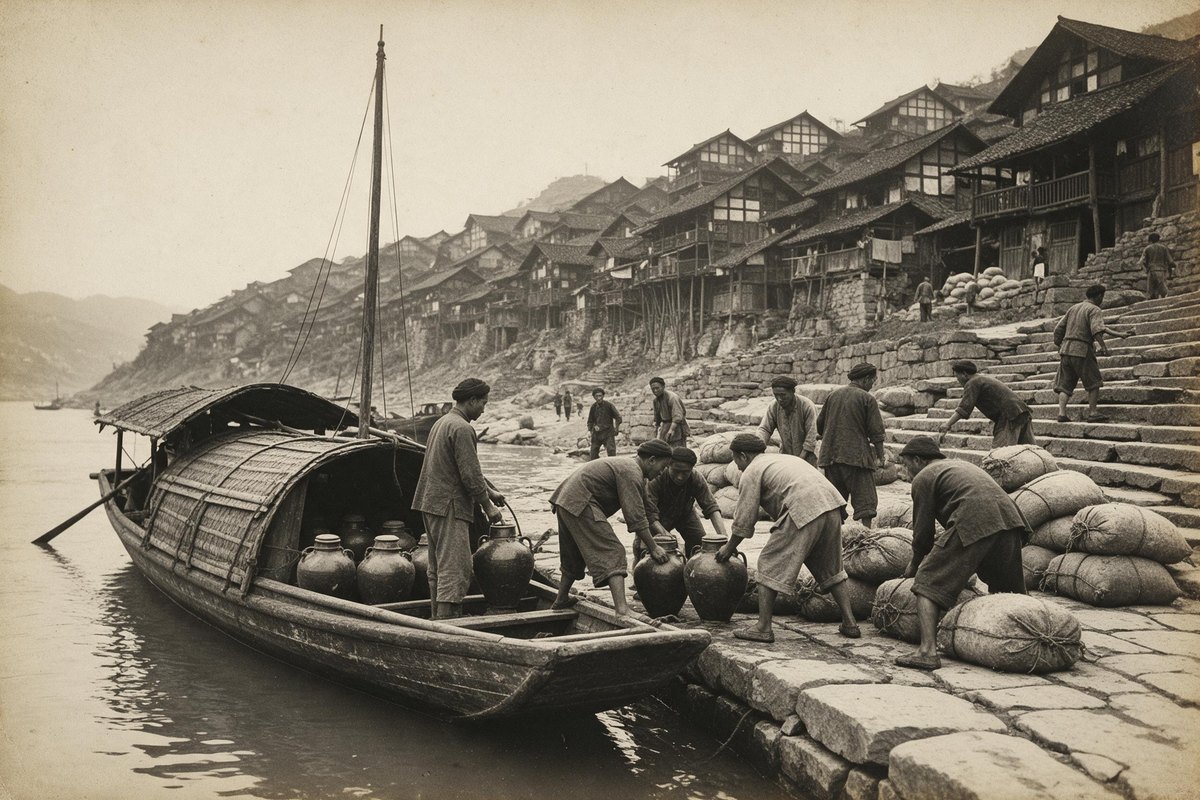
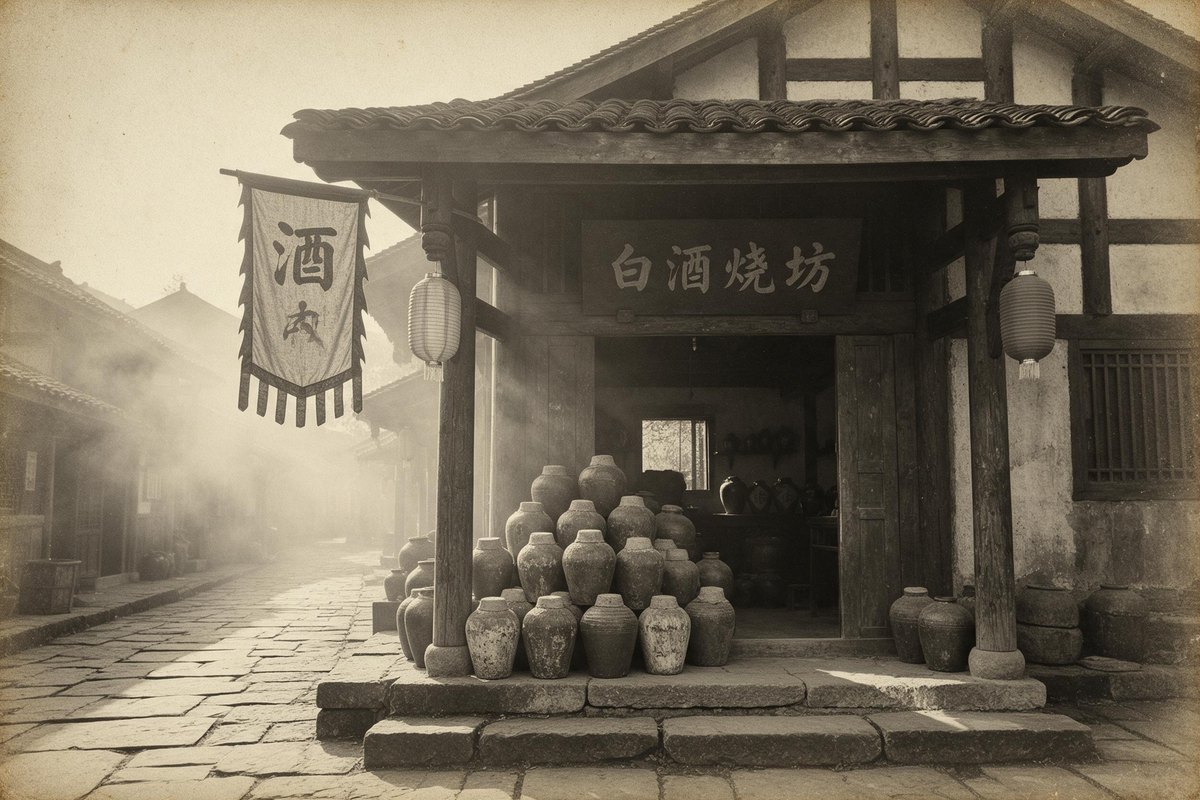
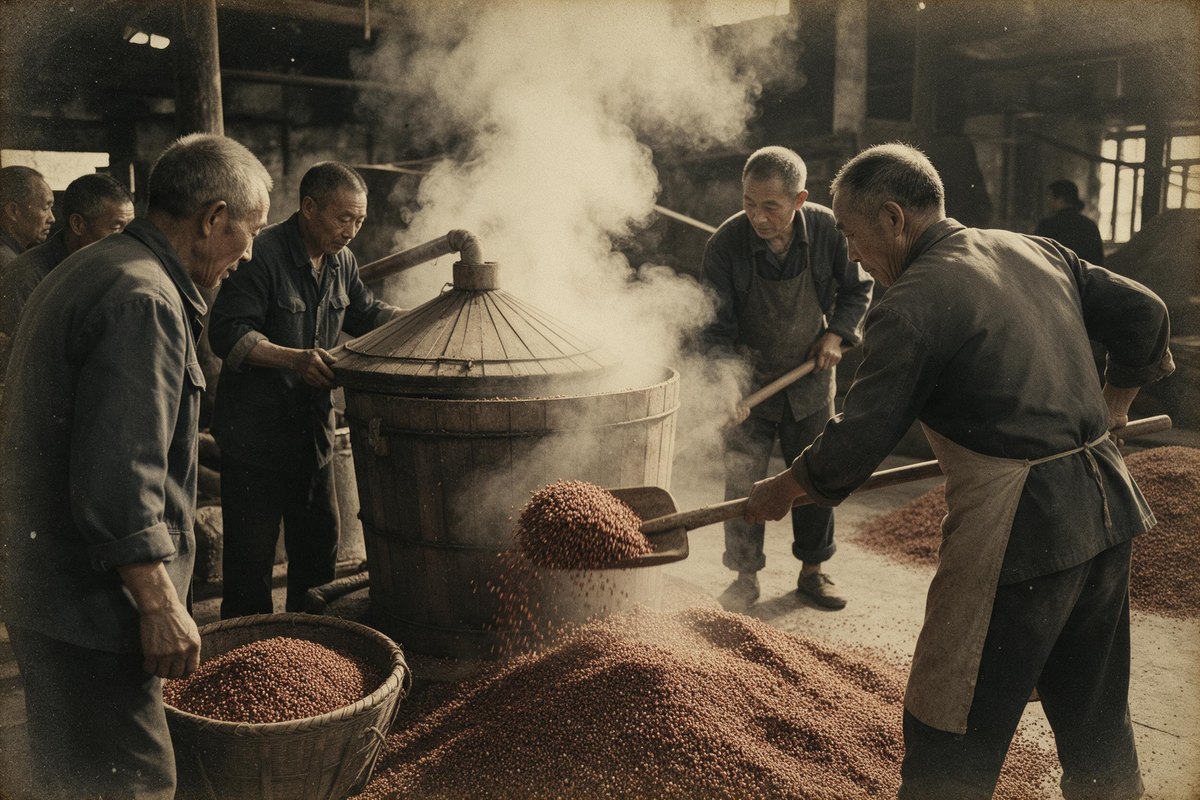
The scenes below are reconstructed in aged imagery from the historical record — they are not photographs. DeZiJiao claims its history; it does not impersonate it.

Reconstructed scene of the Chishui salt dock
Qing Dynasty · ReconstructedThe Salt Dock on the Chishui
Reconstructed scene of an old riverside distillery
Republic Era · ReconstructedThe Old Distillery by the River
Reconstructed scene of an underground cellar and clay jars
Qing Dynasty · ReconstructedThe Cellar and Its Clay Jars
Reconstructed scene of ancient-method distillation
Republic Era · ReconstructedDistillation by the Old Method
The Name, Decoded

De · Zi · Jiao

THE NAME
德

The De of Wine Virtue

From the Jiugao (Announcement on Drunkenness) in the Book of Documents (Shangshu): "let virtue keep you from drunkenness." True grain, diligent hands, a patiently waited cellar — virtue is the rule at the door, and the last line that is never crossed.

子

The Zi of Succession

Zi, the honorific reserved for those who carry a teaching forward. The brewer who keeps the rules has been called De Zi, generation upon generation — not the name of one man, but a craft that has never once been broken.

窖

The Jiao of the Cellar

From the Six Essentials of the Book of Rites: "the clay vessels must be fine." The jars rest undisturbed, maturing with the seasons; wine that has not slept its fill does not leave the cellar.

The Creed

The Three Rules

THE THREE RULES

The brewer who carries this lineage is honoured with a title of his own: De Zi. Not a personal name but a set of rules passed down — three of them, and not one may be missed.

粮

The Grain Must Be True

Sorghum and fruit, sought for their own truth. Not a thread of adulteration, not a single step of labour spared — the grain is the bone of the wine, and the bone must be set straight.

工

The Work Must Be Diligent

The ancient sequence, kept day by day. Nine steamings, eight fermentations, a slow brew at low heat — every unhurried step is the ground beneath the quick one.

窖

The Cellar Must Be Waited Upon

Wine that has not slept its fill never leaves the cellar. Waiting is not delay — it is the longest patience of the craft.

THE ORIGIN · 酒厂

Great Wine Begins at the Source

DeZiJiao's Sauce-Aroma base spirit is born beside the Chishui River, in the heartland of China's Sauce-Aroma baijiu. The valley's climate, its soil and water, the microbiota that has gathered over the years and never quite dispersed — a brewing ecology no other place can copy. Leave this land behind, and the flavour will not follow.

Red-tassel glutinous sorghum — small of grain, thick of skin, built to endure the steamer — is the only grain that can stand up to nine steamings and eight fermentations. The water of the Chishui River, clear and sweet, is the blood that goes into the wine.

2Twice Added
9Nine Steamings
8Eight Fermentations
7Seven Draws

One production cycle a year: the grain is added twice, steamed nine times, fermented eight times, the spirit drawn seven. The base wine then enters clay jars in the cellar to wait out the years before it comes down from the mountains — the ancestors' rules joined to today's standards, and jar by jar, the wine slowly becomes itself.

Explore the Jarred Series →
DeZiJiao brewing at its point of origin
The Jar

One Clay Jar, Half the Story of Wine

THE VESSEL

Among the Six Essentials of the Book of Rites, one reads: "the clay vessels must be fine." Two thousand years ago, the Chinese had already decided: good wine must live in a good clay jar.

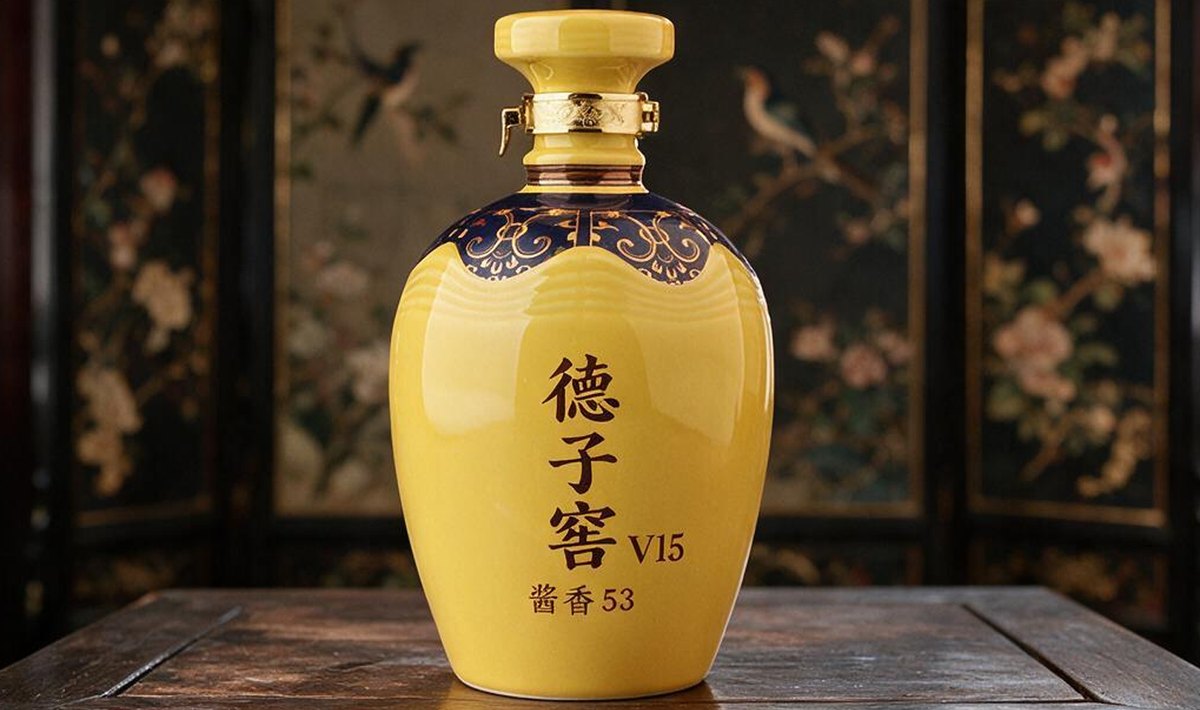
The classic DeZiJiao ceramic jar
I · BREATH

Micro-Oxygenated Ageing

The wall of the clay is pierced with pores too small for the eye, and through them the wine breathes slowly — the sharpness recedes, the depth arrives. This is the one feat neither glass nor stainless steel can manage.

II · MEASURE

For the Table and the Feast

DeZiJiao's classic yellow-glazed ceramic jar: 1.5KG for the family table, 2.5KG for the feast. Set upon the table with the DeZiJiao mark in place, it is an opening line spoken in silence.

III · AFTERWARDS

The Jar Stays

When the wine is gone, the jar stays — for flowers, for tea, for rice. Between a Chinese household and its clay jar, the bond has never been one jar of wine only.

THE CELLAR · 酒窖

A Great Cellar Keeps the Years for the Wine

DeZiJiao's "jiao" is not a word in a name — it is a real, large underground cellar. The cellar lies below the ground, its temperature and its humidity both held constant; while the surface turns to winter and back to summer, the cellar does not move at all.

Hundreds of clay jars stand in formation, each newly filled wine sealed and coded, each in its place. The wine sleeps in its jar, and the cellar keeps its years for it — after "the clay vessels must be fine" there is an older saying still: good wine must also live well.

The house takes its name from the cellar, because here lies the answer to everything: slowness begins here, and depth comes out of it.

Explore the Jarred Series →
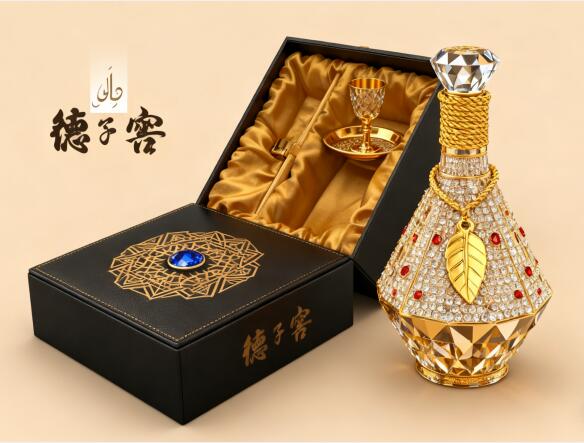
DeZiJiao bespoke export edition
EXPORT & BESPOKE · 出口定制

From the Chishui River to the Tables of the Middle East

The same jar of Chinese wine, carried into a different civilisation, takes a different face. This export edition was made to meet the Middle Eastern market: gold with set stones, a black-and-gold gift case, its pattern and its form following the local sense of beauty — solemn, resplendent, much like the hospitality it was made for.

The Middle East and Eastern Europe each have a DeZiJiao of their own. What is customized is not only the bottle and the box, but the manners and the face of that stretch of country.

From selection and form to pattern and clearance, DeZiJiao uses the port of Hong Kong as its bridge, and blends for every market a Chinese wine of its own.

Explore Export & Customization →
THE PORT · 商埠

A New Dock, the Same Rules

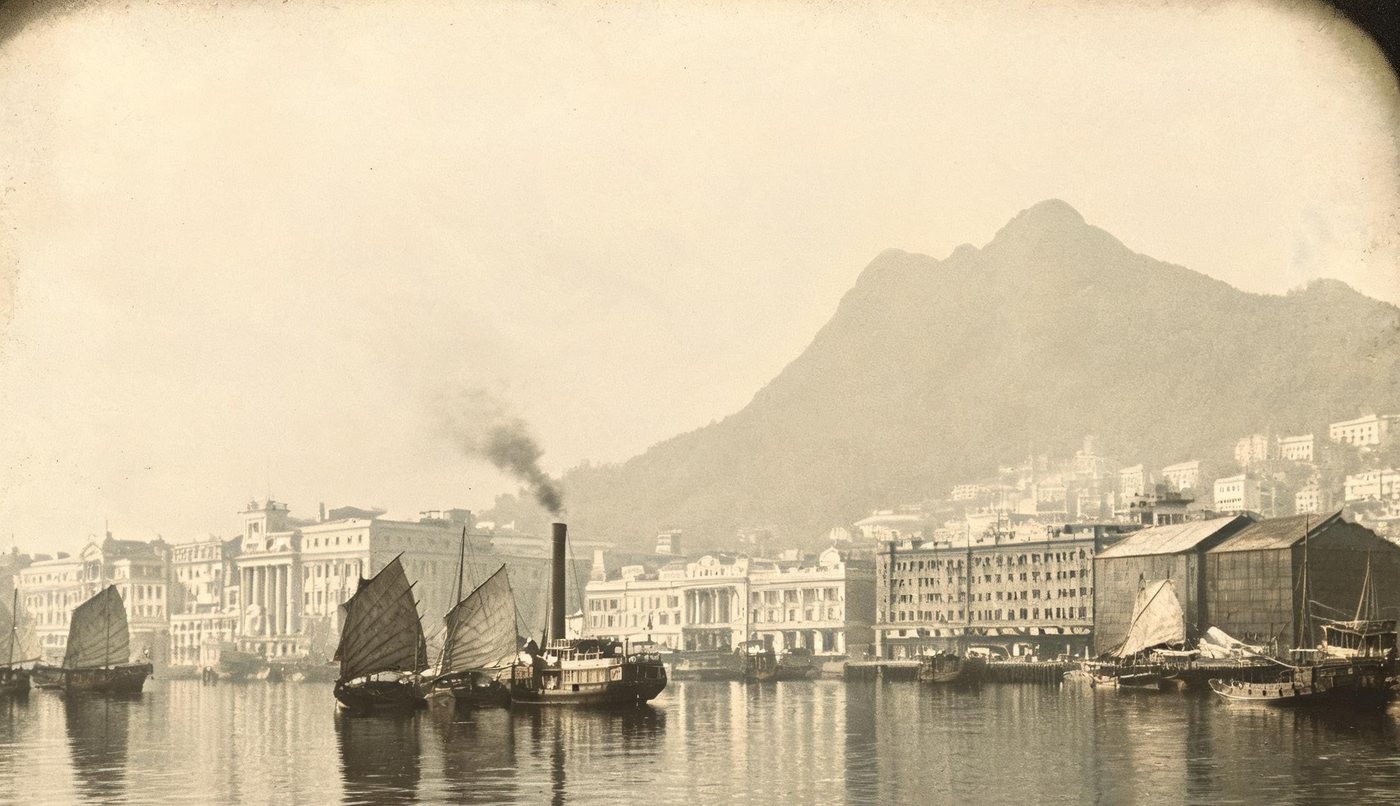
Opened as a free port in 1841, Hong Kong was founded on free trade — goods moving to every nation, efficient customs, a rule-of-law passage. It brews not one drop of wine, yet it is the smoothest door for Chinese wine to reach the world. DeZiJiao sets its trading port here for precisely this openness.

Once, salt boats on the Chishui River carried wine downstream and called at dock after dock; today, freighters in Victoria Harbour send the same jar to tables ever farther away. The port has changed its name again and again; DeZiJiao's rules have not changed once — the grain must be true, the work diligent, the cellar waited upon.

The liquor is brewed only at its origin in the Chinese mainland; the port is set in Hong Kong, reaching Hong Kong & Macau, Southeast Asia, the Middle East, Europe and America. Making and trading each in its place — this is the measure of an old house going to sea, and DeZiJiao's sincerity to the world.

Explore International Trade →
The trading port · Hong Kong, Victoria Harbour, c. 1880s
1880s · VICTORIA HARBOUR · RESTORED SCENE
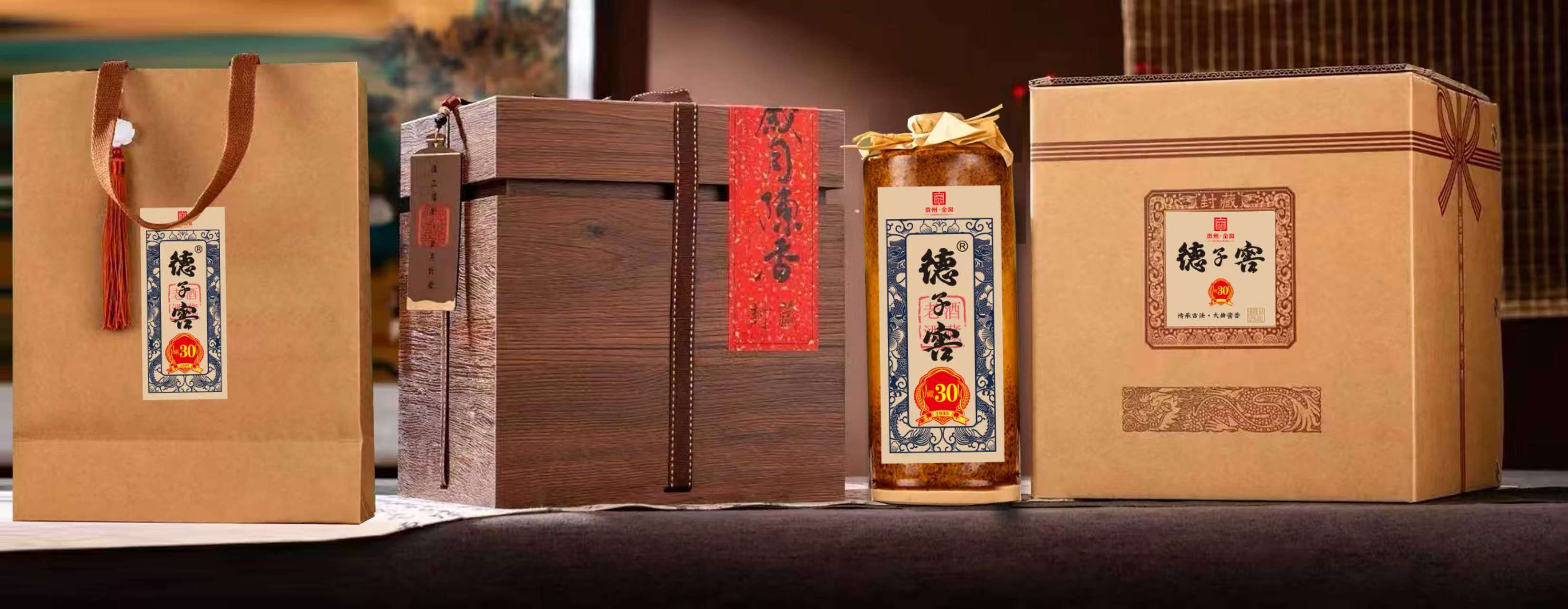
DeZiJiao brand products
DEZIJIAO TODAY · 今日

Fruit as the Craft, Trade as the Bridge

DeZiJiao Liquor Industry Group Co., Ltd., registered in Hong Kong, China, is a wine house that carries forward the tradition of ancient craft. Under it stands the fine fruit-wine brand DeZiJiao®, pursuing two principal lines of business: fruit-wine brewing and international trade.

In brewing, we follow the law of the four seasons and choose fruit at its seasonal best, slow-brewing at low temperature in the ancient manner into four fruit-wine series — green plum, lychee, peach and mulberry. Our Sauce-Aroma baijiu stays true to its origin in the Chinese mainland, offered to the domestic market as an aged vintage series in 1.5KG / 2.5KG ceramic jars. In trade, we stand at the port of Hong Kong, joining the wine markets of China and the world, offering clients across the globe export, distribution and OEM customization.

Guarding the Old Craft, Never the Old Ways. Low-temperature maceration holds the true taste of fresh fruit; temperature-controlled fermentation steadies every batch; modern quality control leaves every jar traceable. The 1.5KG / 2.5KG large-format ceramic jars and the new low-strength fruit wines are the old craft, speaking in today's voice.

We believe this: brew honestly, trade honourably — the terroir and fruit of China deserve to be met around the world with a raised glass.

Work with Us →
The Journey

Four Chapters, One Fragrant Trail

MILESTONES
I

The Founding · Rooted in Hong Kong

DeZiJiao Liquor Industry Group Co., Ltd. is incorporated in Hong Kong, heir to the lineage of ancient brewing, with a twin-pillar strategy of fine fruit wine and international trade.

II

Deepening the Craft · Four Signatures Take Form

The green plum, lychee, peach and mulberry series reach their final form, and a complete quality-control chain is built — from direct sourcing in the orchards to slow, ancient-method brewing.

III

Trade Expands · Bridging the World

With Hong Kong as its trading hub, the house reaches Hong Kong and Macao, Southeast Asia, the Middle East, Europe and the Americas — in export, distribution and OEM customization.

IV

The Jars Debut · The Origin, Delivered

DeZiJiao holds to ancient-method brewing at its origin in China, supplying the domestic market with the aged vintage series in 1.5KG / 2.5KG ceramic jars, as the V5 / V10 / V15 officially arrive.

A JAR ACROSS THREE MILLENNIA
JOIN THE JOURNEY

Brew the Next Cup with DeZiJiao

Product partnerships, agency and distribution, OEM customization or press enquiries — you are welcome to reach us at any time.

Contact Us